


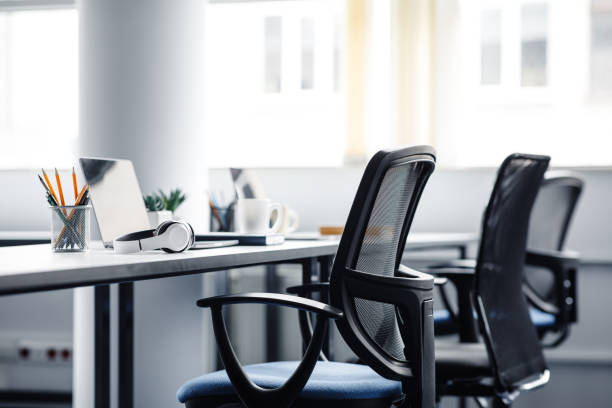
Changing position is part of ergonomics. Short, frequent movement often beats one long gym session after a frozen day at the desk.
Set a gentle timer—phone on silent vibrate or calendar ping. Each hour, stand for one to two minutes: roll shoulders, open the chest, walk to water. The goal is blood flow and variety, not exhaustion. If meetings chain back-to-back, stack two breaks afterward rather than skipping entirely.
Hybrid workers in Amsterdam often bike between home and office; that commute counts as movement, but it does not replace mid-morning breaks when you then sit four hours straight. Treat desk time separately from travel time.

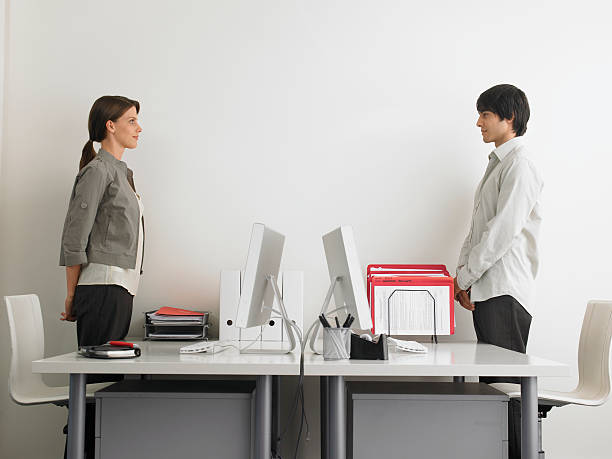
Shoulder rolls: six slow circles each direction. Chin tucks: glide head back without looking up. Seated figure-four: ankle on opposite knee, hinge forward until you feel hip stretch—switch sides. Wrist circles and finger spreads between typing blocks.
Keep movements smooth; discomfort is a signal to ease off, not push through. These are general mobility ideas, not personalised exercise prescriptions. Pair with Desk Ergonomics so you are not moving in a badly fitted chair.
One-on-one calls can become walking loops along the canal or office corridor when confidentiality allows. Standing desks help when you alternate—stand for calls, sit for detailed writing. Avoid standing still on hard floors without shoes; shift weight leg to leg.
After intense deadline days, a longer walk without headphones lets your nervous system downshift. Sleep and hydration belong to recovery too; this site does not analyse sleep disorders—keep routines that already work for you.
| Date | Topic | Format | Action |
|---|---|---|---|
| 10 Jul 2026 | Micro-break routines for hybrid teams | Online · 60 min | Request a link |
Short breaks often restore focus for knowledge work. Start with 90 seconds; notice whether return to task feels easier. Adjust length to your role—customer chat roles may need different timing than coding blocks.
Standing all day creates its own load. Alternate, and wear supportive shoes. Movement variety is the point.